Lip Blush Tattoo Color Choices: Find Your Perfect Shade
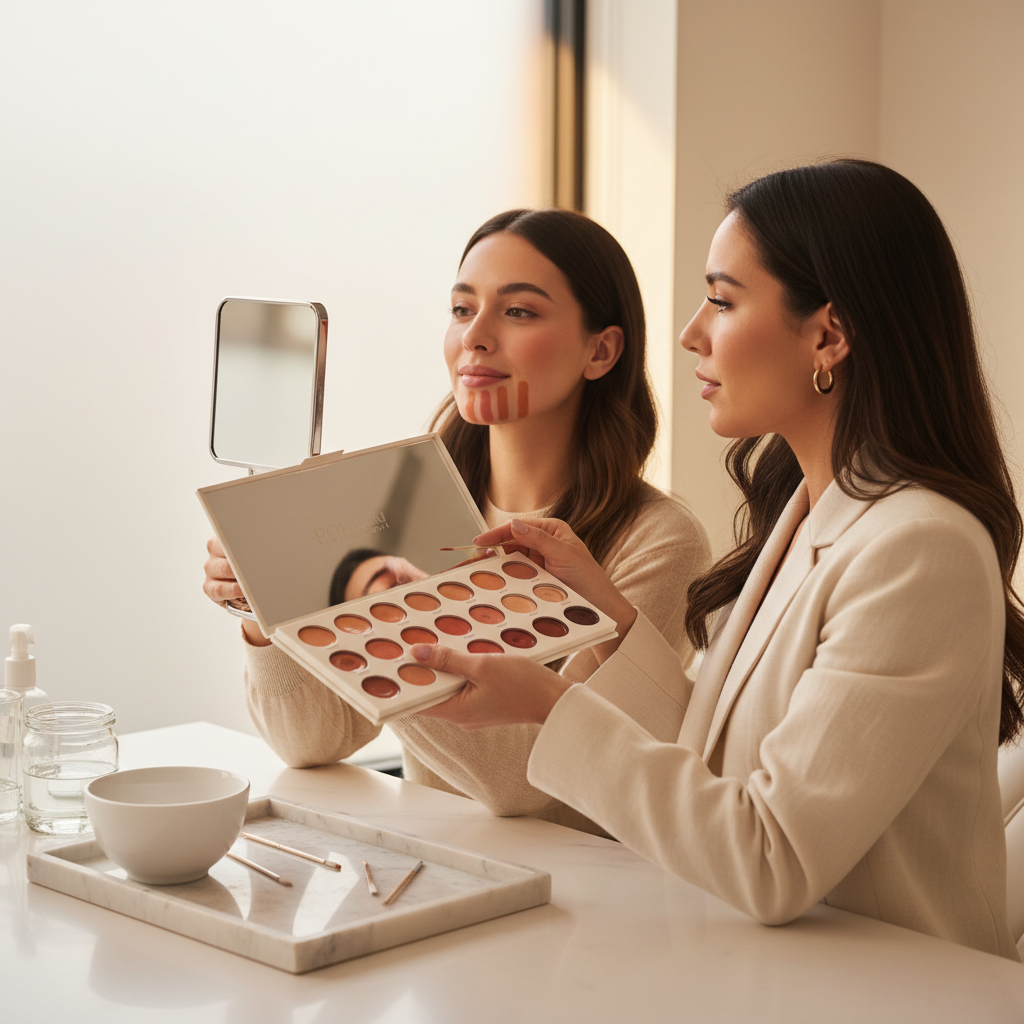
Lip Blush Tattoo Color Choices: Finding Your Perfect Shade
The most common question at our Koreatown studio isn't about pain or healing time. It's about color.
Which shade will look natural? What if it fades too pink? How do you know what complements my skin tone?
These questions matter. Your lip color is deeply personal; it's more visible than brows, more expressive than eyeliner. Getting it right requires understanding undertones, pigment behavior, and how color settles into your unique skin.
After 15 years of international practice, we've learned that the perfect lip blush shade isn't found on a color wheel. It's discovered through consultation, analysis, and artistry.
Key Takeaways
* Skin undertone is the #1 factor in color choice. * Healed color is 30-40% lighter than it appears initially. * Consultation is key to finding your perfect shade.Understanding Lip Blush Color Theory
Lip blush pigments don't work like lipstick. They interact with your natural lip color, skin undertone, and melanin levels to create a customized result.
A pigment that looks soft coral in the bottle might heal rose-mauve on cool-toned skin. That same shade could settle into warm peach on someone with golden undertones. This is why master-level lip blush color matching begins with your skin, not a trend or preference alone.
The Three Undertone Categories
Cool undertones carry pink, red, or blue notes. Veins appear blue or purple. Silver jewelry tends to be more flattering than gold. These clients typically suit rose, berry, and mauve-based lip blush shades. Warm undertones lean golden, peachy, or yellow. Veins show green. Gold jewelry complements naturally. These skin tones harmonize with coral, terracotta, and warm nude pigments. Neutral undertones balance both warm and cool. Veins appear blue-green. Both silver and gold jewelry work. These clients have the widest range of flattering options, from soft rose to peachy nude.(Instruction: Insert a simple graphic illustrating cool vs. warm undertones, showing blue veins/silver jewelry for cool and green veins/gold jewelry for warm.)
At Perfect Line, we assess undertones during every Lip Blushing consultation. It's the foundation of color selection that ages gracefully.
Popular Lip Blush Shades in Los Angeles
Trends shift, but certain color families remain timeless in our Koreatown studio.
Natural Nude
The most requested category. Natural nude isn't one shade. It's a spectrum of barely-there enhancement that adds definition without obvious color.
For cool undertones: dusty rose nude with subtle mauve notes.
For warm undertones: peachy nude with coral undertones.
For neutral undertones: true nude with balanced pink-beige tones.
This natural nude lip blush suits clients seeking effortless enhancement. It defines the lip line, adds dimension, and creates the illusion of fuller lips without looking "done."
Soft Pink
Classic, feminine, universally flattering when properly matched. Soft pink ranges from cool baby pink to warm salmon pink depending on your undertone.
This lip blush shade family works beautifully for clients who wear minimal makeup but want their lips to appear naturally rosy and youthful. It's particularly effective for those whose natural lip color has faded with age.
Coral & Peachy Tones
Warm, vibrant, ideal for golden and olive skin tones. Coral-based lip blush brings warmth to the face and complements sun-kissed complexions.
These shades require precise formulation. Too orange reads artificial. Properly balanced, coral and peach create that coveted "just-bitten" look that's become signature in Korean beauty aesthetics.
Mauve & Berry
Sophisticated, dimensional, perfect for cool undertones. These mauve and berry lip blush shades offer more depth than pink while remaining natural.
These colors photograph beautifully and provide excellent contrast for fair to medium skin tones. They're also forgiving as they fade, softening into rose rather than turning muddy.
Deep Rose & Wine
Rich, defined, suited for medium to deep skin tones. These shades create beautiful contrast and dimension without appearing harsh.
Deep rose and wine tones require master-level color mixing. The pigment must be rich enough to show on melanin-rich skin while maintaining softness and natural gradation.
Matching Lip Blush to Your Skin Tone (Fitzpatrick Scale)
Melanin level dramatically influences how lip blush pigment appears and heals. Understanding this relationship separates adequate results from exceptional ones.
Fair Skin (Fitzpatrick I-II)
Fair skin shows color vibrancy immediately. Pigments appear brighter initially and require careful dilution to avoid an overly saturated result.
Cool fair skin: rose, mauve, soft pink
Warm fair skin: peachy nude, coral, warm rose
The key with fair skin is restraint. We build color gradually, often recommending softer shades that can be intensified at touch-up rather than starting too bold.
Medium Skin (Fitzpatrick III-IV)
Medium skin tones offer the widest color versatility. Most shades in the lip blush spectrum work beautifully when properly matched to undertone.
Cool medium skin: rose, berry, mauve
Warm medium skin: coral, terracotta, warm nude
Neutral medium skin: dusty rose, peach, balanced pink
This range allows for more creative expression while maintaining natural appearance. We can go softer for subtle enhancement or richer for defined color.
Deep Skin (Fitzpatrick V-VI)
Deep skin requires pigments with enough saturation to show beautifully without turning ashy or muddy as they heal. This is where international training and experience with diverse clients becomes essential.
Cool deep skin: deep rose, wine, rich berry
Warm deep skin: terracotta, burnt coral, deep mauve
We often custom-mix pigments for deeper skin tones, ensuring the color has proper depth while maintaining the soft gradation that defines quality lip blush work. The goal is enhancement that honors natural beauty, never a stark, unnatural line.
The Consultation Process at Perfect Line
Color selection doesn't happen from a chart. It happens through conversation, analysis, and collaboration.
Step One: Lifestyle & Aesthetic Discussion
We begin by understanding your daily life. Do you wear bold lipstick or prefer bare lips? Are you drawn to warm or cool tones in your wardrobe? What does "natural" mean to you?
These questions reveal your aesthetic comfort zone, the foundation for selecting a shade you'll love for years.
Step Two: Skin Analysis
We examine your natural lip color, skin undertone, and how your complexion responds to different color temperatures. We look at your veins, the whites of your eyes, and how your skin tone shifts in natural versus artificial light.
This clinical assessment ensures we're working with your biology, not against it.
Step Three: Color Mapping
We apply test pigments to your lips to preview how different shades interact with your natural color. You'll see options side by side, not on someone else's lips, but on yours.
This is where theory becomes visual reality. Clients often discover that the shade they imagined looks different than what actually flatters their unique coloring.
Step Four: Final Selection & Customization
Once we've identified the most flattering color family, we fine-tune. Perhaps you want slightly more warmth. Maybe we need to adjust saturation for your lifestyle.
We custom-mix when needed, creating a shade that exists nowhere else, formulated specifically for your lips. This level of personalization is part of what defines permanent makeup in Los Angeles at the master level.
Common Color Selection Mistakes to Avoid
Even with consultation, some clients arrive with misconceptions that could compromise their results.
Choosing Based on Someone Else's Results
The shade that looks stunning on your friend may not suit your undertone. Lip blush is deeply personal; what works on cool-toned fair skin will look entirely different on warm-toned olive skin.
Trust the color matching process rather than requesting an exact replica of someone else's lips.
Going Too Bold Initially
Permanent makeup is permanent. While lip blush does fade over time, starting with an overly saturated shade means living with intensity you may not want while it gradually softens.
We can always add depth at your touch-up appointment. We cannot easily remove excess pigment.
Ignoring Your Natural Coloring
Some clients want a shade that fights their natural undertone, like cool-toned skin requesting orange-coral or warm-toned skin wanting icy pink.
While personal preference matters, working against your natural coloring often results in a shade that looks artificial or requires constant color correction with lipstick. The most timeless results complement rather than contradict.
Trend-Chasing
Today's trending lip color may not be tomorrow's classic. Lip blush should enhance your features for years, not replicate a fleeting Instagram aesthetic.
We guide clients toward shades with longevity, colors that will photograph beautifully and feel appropriate in five years, not just five months.
How Lip Blush Color Fades Over Time
Understanding the fading process helps set realistic expectations and informs initial color selection.
The Healing Spectrum
Immediately after your lip blush appointment, your lip color appears vibrant, often 30-40% darker than the healed result. This is normal. As your lips heal over 4-6 weeks, the color softens and settles into its true shade.
During healing, you may notice the color looks uneven or patchy. This is part of the process as your skin regenerates and encapsulates the pigment.
Long-Term Fading
Lip blush typically lasts 2-4 years, gradually fading to a softer version of the original shade. How it fades depends on the pigment quality, your skin type, sun exposure, and lifestyle factors.
Quality pigments fade evenly, becoming lighter rather than changing hue. Poor-quality pigments may turn blue, gray, or orange, one reason why choosing a master artist with premium pigments matters.
Cool-toned shades tend to fade to soft pink. Warm-toned shades soften to peachy nude. Properly formulated pigments maintain their color family rather than shifting to an unrelated tone.
If you're concerned about fading or want to understand the full timeline, our guide on lip blush tattoo expectations provides detailed information on what to anticipate.
Adjusting Color at Touch-Up Appointments
Your first lip blush appointment establishes the foundation. The touch-up refines and perfects.
Most clients return 6-8 weeks after their initial session for a touch-up appointment. This is when we assess how the pigment settled, how your skin accepted the color, and whether adjustments are needed.
When to Adjust Lighter
If the color healed darker than desired, we can apply a lighter shade to soften the overall effect. This is rare when proper initial color selection occurs, but it's an option if your aesthetic preferences have shifted.
When to Adjust Deeper
More commonly, clients want slightly more saturation or depth at touch-up. We can intensify the color, add warmth or coolness, or create more definition along the lip line.
This is also when we address any areas where pigment didn't take evenly during the initial session.
When to Shift Tone
Occasionally, a client realizes they want to adjust the undertone, perhaps adding warmth to a shade that healed slightly too cool, or vice versa. Small tonal shifts are possible at touch-up when executed by an experienced artist.
Seasonal Considerations for Lip Color
Your lip color doesn't exist in isolation. It interacts with your overall complexion, which shifts with sun exposure throughout the year.
Summer & Sun Exposure
Tanned skin has warmer undertones. A lip shade that looked perfectly balanced in winter may appear slightly cool once you've developed a tan.
We account for this during consultation, especially for clients who tan significantly. The goal is a shade that flatters year-round, not just in your current skin tone.
Sun exposure also accelerates fading. Clients who spend significant time outdoors should expect more frequent touch-ups and may want to consider slightly deeper initial color to compensate for faster fading.
Winter & Pale Complexions
Without a tan, your natural undertone becomes more apparent. This is actually the ideal time for initial lip blush appointments; we see your true coloring and can match accordingly.
Winter also offers better healing conditions. You're less likely to be outdoors in harsh sun, swimming, or engaging in activities that compromise the healing process.
Combining Lip Blush with Other PMU Services
Many clients at our Koreatown studio combine lip blush with brow or eyeliner services. When planning multiple procedures, color coordination matters.
Brows + Lips
If you're considering both Ombre Shading Brows and lip blush, we coordinate the color temperature. Cool-toned brows pair beautifully with rose or mauve lips. Warm-toned brows harmonize with coral or peachy lip shades.
The goal is cohesive enhancement: services that complement rather than compete.
Full Face Harmony
For clients pursuing brows, eyeliner, and lips, we create a color story that works as a unified whole. This doesn't mean everything matches, it means everything belongs together, creating balance and dimension.
This comprehensive approach is part of what distinguishes master-level permanent makeup from basic application.
Why Color Expertise Requires Master-Level Training
Color theory isn't intuitive. It's learned through years of practice, study, and working with diverse clients.
At Perfect Line, color matching draws on 15 years of international experience: training in Seoul, certification across multiple techniques, and thousands of clients with varying skin tones, undertones, and aesthetic preferences.
This expertise means understanding not just what looks good today, but what will age gracefully. It means recognizing when a client's request will work beautifully and when gentle guidance toward a different shade will serve them better.
It means custom-mixing pigments when the perfect shade doesn't exist in standard colors. It means adjusting for skin type, lifestyle, and how individual biology affects pigment retention.
If you're ready to discover your ideal lip blush shade through expert consultation, we invite you to explore our lip blushing service and begin the conversation.
Questions to Ask During Your Color Consultation
Come prepared to your appointment with these essential questions:
"How will this shade look once it's fully healed?" Your artist should be able to describe the healed result, not just the immediate appearance. "Can you show me examples of this color on similar skin tones?" Before and after photos of clients with your coloring provide realistic expectations. "What happens if I want to adjust the color later?" Understand your options for modification at touch-up or in future appointments. "How will sun exposure affect this shade?" Different pigments respond differently to UV exposure. Know what to expect. "What's your experience with my specific skin tone and undertone?" This reveals whether your artist has worked extensively with clients like you.For more guidance on consultation conversations, our article on permanent makeup consultation questions offers comprehensive preparation tips.
The Perfect Line Approach to Color Selection
Our philosophy is simple: your lips should look like your lips, just more defined, more balanced, and more effortlessly beautiful.
We don't chase trends. We don't push bold shades that will feel dated in two years. We don't apply the same formula to every client regardless of their unique coloring.
We listen. We analyze. We customize. We apply Seoul-trained technique with Los Angeles aesthetic sensibility, creating results that feel both timeless and current.
Color selection at Perfect Line begins with understanding who you are: your lifestyle, your aesthetic, your natural beauty. Then we enhance it with precision, artistry, and pigments formulated to age as gracefully as you do.
Frequently Asked Questions About Lip Blush Color
Q: Does lip blush make lips look bigger? A: While it doesn't add volume, defining the lip border creates the illusion of fuller, more shapely lips. Q: How long does lip blush color last? A: Lip blush typically lasts 2-4 years. Longevity depends on your skin type, lifestyle, and sun exposure. Q: Will my lip blush turn a weird color as it fades? A: Not with a skilled artist using premium pigments. Quality colors are designed to fade into a lighter version of the original shade, not turn blue or orange. Q: Can I still wear lipstick over my lip blush? A: Absolutely. Lip blush provides a beautiful base color and defined shape, but you can always apply lipstick over it for a bolder or different look.Your Next Step
Choosing your lip blush color isn't a decision to rush. It deserves consultation, consideration, and collaboration with an artist who has the experience to guide you toward a shade you'll love long-term.
At Perfect Line's Koreatown studio, color consultations are thorough, personalized, and pressure-free. We want you to feel confident in your choice, not just on appointment day, but years into the future.
Your perfect shade is waiting. It's not on a color chart. It's in the intersection of your unique coloring, your personal aesthetic, and master-level color expertise.
Schedule your lip blush consultation and discover the shade that was always meant to be yours.Master-level artistry.
Koreatown's PMU studio.
Seoul-trained. 15+ years of precision. Every technique is tailored to your skin type, bone structure, and lifestyle. No cookie-cutter results.